🏙️ Chengdu
Chengdu Travel Guide: Pandas, Spicy Food & Slow Life
Visit Chengdu — see giant pandas, eat the world's spiciest food, and experience Sichuan's laid-back lifestyle.
⚡ Quick Answer
Chengdu is the land of pandas and Sichuan peppers. Watch giant pandas roll around in bamboo forests in the morning, eat food so spicy it makes your ears ring at lunch, and sip tea in a 1,000-year-old temple in the afternoon. The city is famous for its relaxed pace of life — locals say Chengdu is the "city of happiness," and you'll feel it the moment you arrive.
🐼 Why Visit Chengdu?
Chengdu is the capital of Sichuan province and the gateway to western China's natural wonders. It balances tradition and modernity effortlessly — ancient temples sit alongside trendy art districts, and the world's spiciest food is served in restaurants that have been open for generations. The pace of life is famously slow: Chengdu has more tea houses than any other city in China, and people actually use them.
📅 How Many Days Do You Need?
- 3–4 days (standard): Pandas, Jinli, Wuhou Temple, and serious eating
- 5–7 days (comfortable): Add Leshan Giant Buddha (1 day) or Mount Emei (2 days)
- 7+ days (deep dive): Add Jiuzhaigou National Park (3–4 days)
If you have extra days, Sichuan province has some of the most spectacular scenery in China. The Giant Buddha at Leshan (about 1.5 hours from Chengdu) is the world's largest stone Buddha at 71 meters tall. For adventurous travelers, Jiuzhaigou's turquoise lakes and waterfalls are unforgettable but require 3–4 days minimum.
🎯 Top Attractions
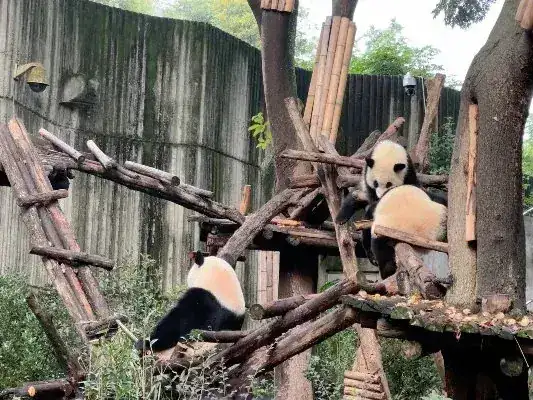
Chengdu Research Base of Giant Panda Breeding (成都大熊猫繁育研究基地)
🎫 No walk-in tickets — advance online reservation required (daily limit 85,000). Book early, it sells out.
Home to around 120 giant pandas — more than anywhere else on the planet. Get there by 8 AM for the morning feeding session (8-10 AM), when pandas are at their most active and playful. About 30 minutes by taxi from the city center. Skip the afternoon visit — they'll be napping through the heat.
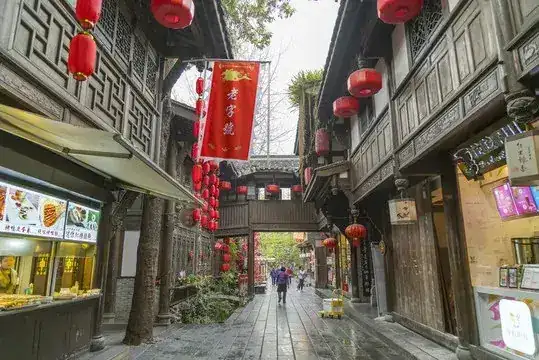
Jinli Ancient Street (锦里)
Most tourist streets feel like a theme park — Jinli actually feels alive. Built in Qing Dynasty style, this pedestrian lane runs right next to Wuhou Shrine and fills with the smell of sizzling skewers, sugar paintings, and Sichuan opera performances spilling out of tea houses. Come at night when the red lanterns light up and the crowds thin out a bit.
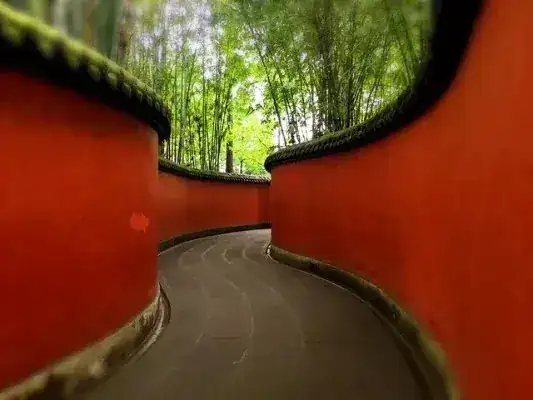
Wuhou Shrine (武侯祠)
🎫 Walk-up tickets available — booking online skips the queue.
🛒 Book your Wuhou Shrine visit →
Dedicated to Zhuge Liang, the legendary strategist whose name still echoes through 1,800 years of Three Kingdoms history. The centerpiece is the Tomb of Zhuge Liang itself, set among red walls and bamboo-lined paths that make the whole place feel frozen in time. Don't miss the stone tablets and statues in the main hall. Pair it with Jinli next door — you can do both in one afternoon.
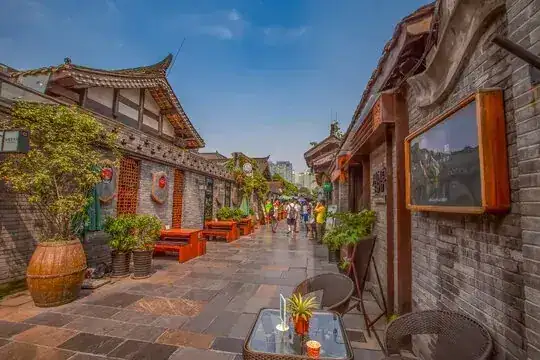
Kuanzhai Alley (宽窄巷子)
Three alleyways, three completely different moods. Kuan Zhai (Wide Alley) is the tourist magnet — shops, snacks, crowds in matching outfits. Zhai Xiang (Narrow Alley) is where it gets good: boutiques, art galleries, and cafés tucked into Qing Dynasty courtyards. Then there's Jing Xiang (Well Alley), the quietest of the three, lined with residential homes and fewer people. Start at Wide, get bored, and escape into Narrow.
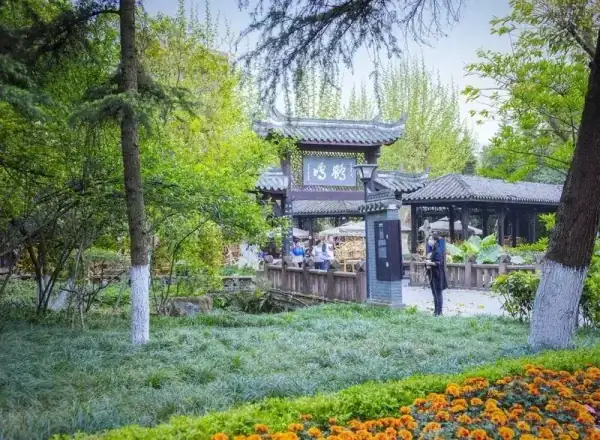
People's Park (人民公园)
This is where Chengdu's slow-life cliché becomes real. Grab a bamboo chair at one of the open-air tea houses, order a cup of jasmine, and just watch — old men playing mahjong, retired couples dancing, aunties singing opera. Don't miss the "Matchmaking Corner" where parents post marriage ads for their children with salary, height, and property details listed like product specs. Come on a weekend for the full spectacle.
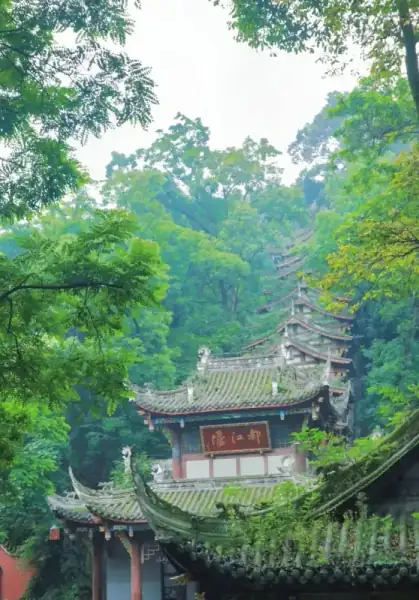
Mount Qingcheng (青城山)
🎫 Reserve ahead for your preferred entry time — online booking also bundles cable car options.
🛒 Book your Qingcheng Mountain trip →
One of the birthplaces of Taoism, with a history that stretches back 1,800 years. The mountain carries an inscription calling it the "Most Serene Under Heaven" — and it earns the name. Take the cable car up if you're short on time, or hike the bamboo-shaded path for the full experience. Either way, the ancient temples at the top are worth the trip. About 1 hour from Chengdu by train.

Dujiangyan Irrigation System (都江堰)
🎫 Advance booking recommended — slots fill early on weekends and holidays.
🛒 Book your Dujiangyan visit →
A 2,300-year-old engineering marvel that's still in use today. Built by Li Bing and his son in 256 BC to tame the Min River, it diverts water without a single dam — just cleverly shaped riverbanks and a man-made island that split the flow into irrigation channels. The result: the Chengdu Plain became one of China's most fertile regions and has stayed that way for over two millennia. It pairs perfectly with Qingcheng Mountain — they're only 15 minutes apart by bus or taxi, so you can do both in one day. The Anlan Suspension Bridge across the river is worth the walk for the view of the mountains behind.
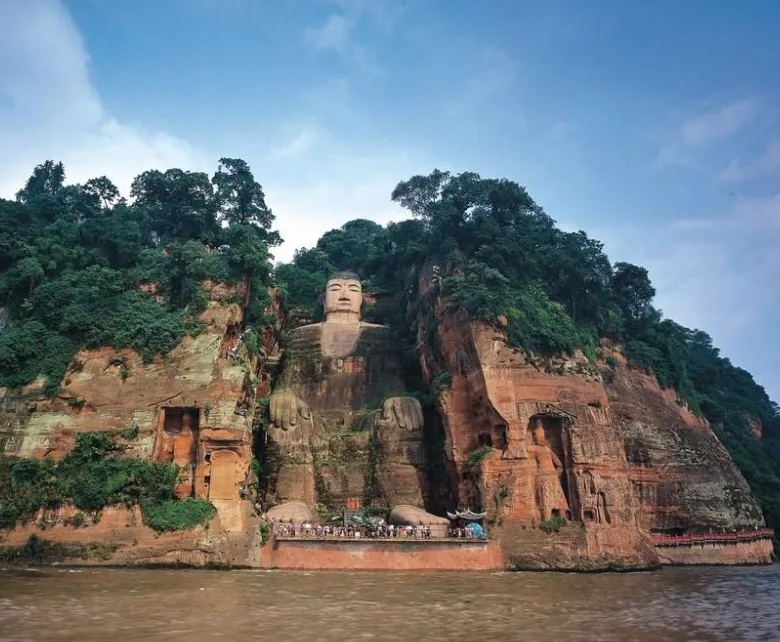
Leshan Giant Buddha (乐山大佛)
🎫 Book online to secure your entry window and avoid the ticket line.
🛒 Book your Leshan Buddha visit →
A 71-meter tall Buddha carved directly into a riverside cliff, making it the largest stone Buddha in the world. The statue took 90 years to complete, finished in 803 AD, and it was built to calm the turbulent waters where the Min, Dadu, and Qingyi rivers converge. You can approach it from two angles: walk down the narrow staircase carved into the cliff face to stand at the Buddha's feet (you'll feel tiny), or take a boat ride on the river to see the full profile from the water. The boat is the better photo op, but the staircase gives you the scale. The site is a UNESCO World Heritage site and takes about 1.5 hours to reach from Chengdu by high-speed rail to Leshan, then a short taxi. Budget a full day for the trip.
🚇 Getting Around
- Subway: 6 lines covering all major attractions and the panda base. Clean, modern, and cheap. See the Metro & Bus Guide for Major Chinese Cities for general tips.
- Didi: Very affordable — most trips across the city center are 20–40 RMB. Set it up ahead of time with How to Use Didi in China as a Foreigner.
- Biking: Chengdu is flat and has dedicated bike lanes. Shared bikes are everywhere.
- High-speed rail: Chengdu East Station connects to Xi'an (3.5 hours) and Chongqing (1.5 hours). Read the How to Book and Ride China High-Speed Rail for booking instructions.
🏨 Where to Stay
Jinjiang District (锦江区) — Best for first-time visitors
Central area around Chunxi Road and Taikoo Li. Shopping, dining, and metro connections within walking distance.
Qingyang District (青羊区) — Best for culture lovers
Near Wuhou Shrine, Jinli, and Kuanzhai Alley. Traditional atmosphere with plenty of tea houses.
Wuhou District (武侯区) — Best for foodies
The heart of the food scene. Walking distance to Chengdu's best restaurants and nightlife.
🍜 What to Eat
Chengdu is the undisputed capital of Sichuan food — bold, fiery, and unforgettable.
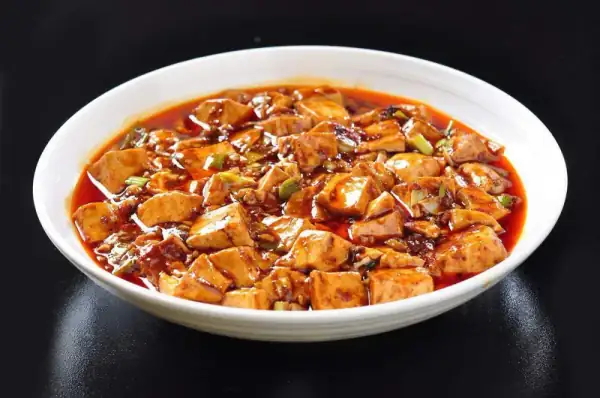
Mapo Tofu (麻婆豆腐)
Silky tofu cubes swimming in a crimson sauce that's equal parts fiery and numbing. The Sichuan peppercorns leave a tingle on your tongue that builds with every bite — the kind that makes you reach for another spoonful even as your forehead sweats. The contrast between the soft, melt-in-your-mouth tofu and the gritty, punchy sauce is the whole point. Found at pretty much every Sichuan restaurant in the city.
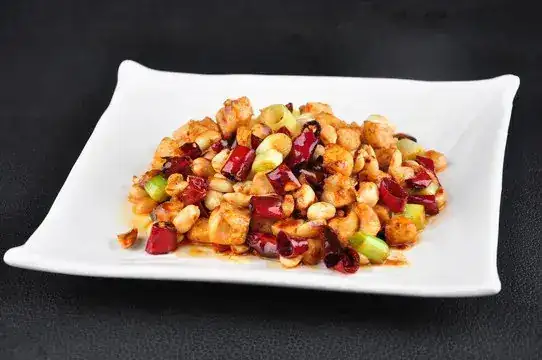
Kung Pao Chicken — Gong Bao Ji Ding (宫保鸡丁)
Diced chicken, crunchy peanuts, and dried chilies that look fiercer than they taste. The secret is the balance — a sweet-sour hit from the vinegar-and-sugar sauce, followed by a slow-building warmth from the chilies, all anchored by the nutty crunch of peanuts. It's the dish that foreigners know best, and for good reason. Look for a version with whole dried chilies you pick out as you eat — the proper local way.
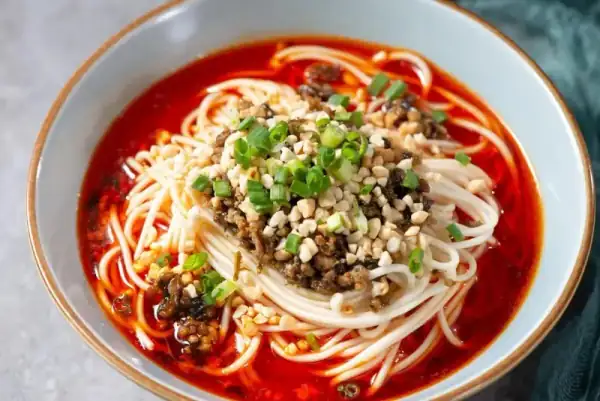
Dan Dan Noodles (担担面)
The original street-food noodle. Minced pork, preserved vegetables, and a slick of chili oil sit at the bottom of the bowl — you mix it all together yourself, coating every strand of noodle in that salty-spicy-numbing sauce. The preserved vegetables give it an earthy depth that cuts through the heat. Stir fast and eat faster.
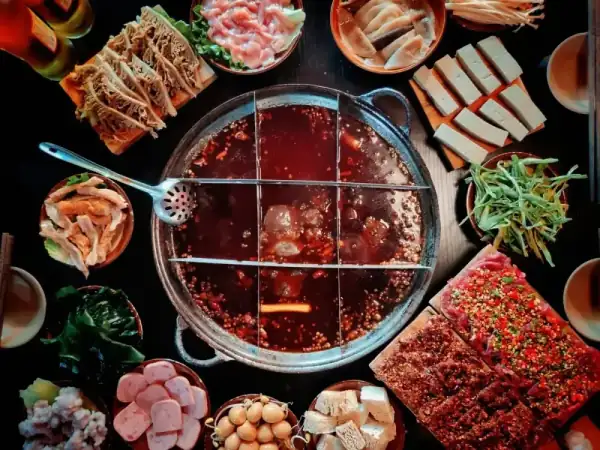
Hotpot — Huo Guo (火锅)
This isn't a meal — it's a 2-hour group activity. A pot of bubbling, chili-laden broth sits in the middle of the table while everyone cooks their own ingredients: thinly sliced beef, tripe, potatoes, greens, tofu skin. The real move is the dipping sauce station — mix sesame oil, garlic, cilantro, and vinegar to cool down the heat. Go with at least three people so you can order more things. And get the "yuanyang" (split pot) if you can't handle full spicy.
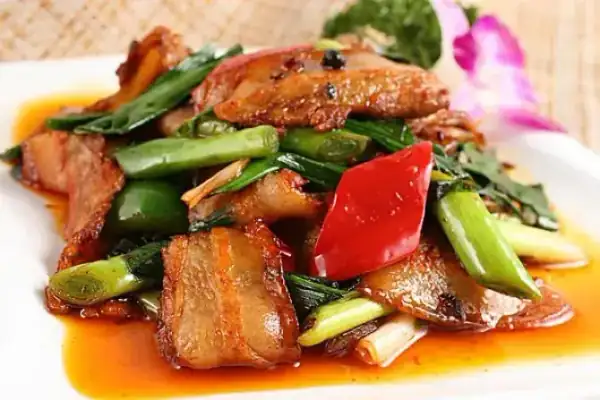
Twice-Cooked Pork — Hui Guo Rou (回锅肉)
Pork belly that's first boiled, then sliced thin, then stir-fried with leeks and doubanjiang (fermented chili bean paste) until the edges caramelize. The double-cooking technique gives the meat a texture you can't get any other way — tender inside, slightly crispy and chewy on the outside. It's the Sichuan version of comfort food, the kind of dish you'd eat at a family dinner table. You'll find it on almost every local menu.
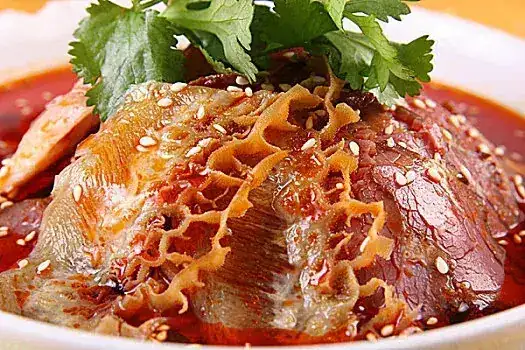
Fuqi Feipian (夫妻肺片)
Cold-sliced beef and offal drenched in a chili-oil dressing that's heavy on Sichuan pepper and toasted sesame. Despite the name translating to "husband-and-wife lung slice," there's no lung involved — it's a story about a married couple who sold this from a street cart in the 1930s. The texture is what gets you: thin, tender slices with a slick, fragrant oil clinging to every piece. Grab it from a cold-dish counter at any local restaurant.
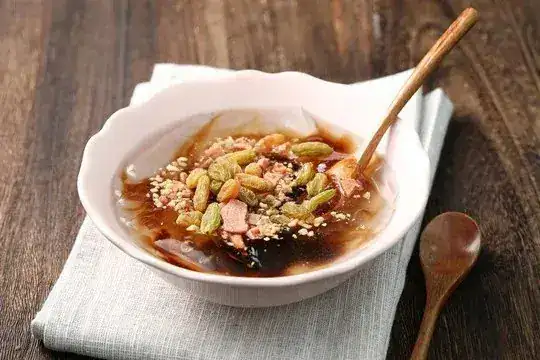
Ice Jelly — Bing Fen (冰粉)
The ultimate Sichuan palate cleanser. Hand-squeezed from plant seeds, Bing Fen has a jelly-like texture that's softer than Jell-O with a delicate, almost-clear appearance. Topped with brown sugar syrup, crushed peanuts, and sometimes dried fruit — it's sweet, cold, and slides down your throat in a way that resets your mouth after all the heat. Don't skip this — you'll need it.