🏛️ Xi'an
Xi'an Travel Guide: What to See, Eat, and Know
The capital of 13 dynasties over 1,100 years — Terracotta Warriors, the best-preserved city wall in China, and a Muslim Quarter that has been a Silk Road trading hub for a thousand years.
⚡ Quick Answer
Xi'an is where China's history hits hardest — this was the capital of 13 dynasties over 1,100 years. The Terracotta Warriors alone are worth the trip: 8,000 life-sized clay soldiers standing in battle formation, each with a unique face, buried for 2,200 years and still watching east. But Xi'an is also a living city with the best-preserved city wall in China (you can bike the full 14km loop), a Muslim Quarter that has been a Silk Road trading hub for a thousand years, and a food scene that rivals anything in the country.
📅 How Many Days Do You Need?
- 2 days (minimum): Day 1 Terracotta Warriors, Day 2 City Wall + Muslim Quarter
- 3 days (comfortable): Add Shaanxi History Museum and a day trip
- 4+ days (deep dive): Add Huashan hike, Famen Temple, or a cooking class
🎯 Top Attractions
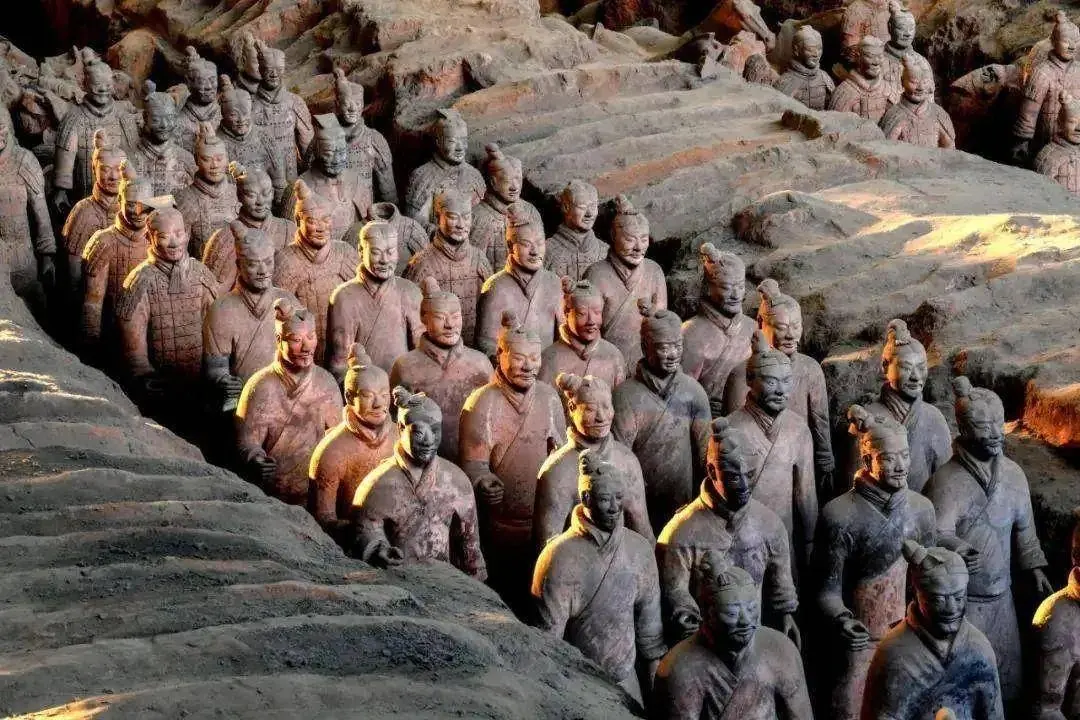
Terracotta Warriors (兵马俑)
🎫 Strict daily visitor cap — book online ahead, peak season sells out fast.
🛒 Reserve your Terracotta Warriors tickets →
The scale is what hits you first. Pit 1 alone covers the size of three football fields, and the warriors stand in silent rows — thousands of them, all facing east, as if waiting for a command that never came. Then you notice the faces. Every single soldier is different — different hairstyles, different armor, different expressions, different ages. Some look proud, some tired, some amused, as if the sculptor caught each man mid-thought 2,200 years ago.
The museum has three pits: Pit 1 is the main army, Pit 2 is the cavalry and archers, and Pit 3 is the command center. The bronze chariots — half-scale, intricately detailed, over 2,000 years old — are the quiet masterpieces most people rush past.
Should you hire a guide? Yes. A guided tour transforms this from "a room full of statues" into one of the most mind-blowing historical experiences on earth — the stories behind the weaponry, the construction techniques, the fact that each warrior was originally painted in vivid colors (the pigment vanished within minutes of excavation, a conservation tragedy that still haunts the site). An electronic audio guide costs 30-40 yuan per unit. However, I would recommend hiring an experienced tour guide instead. They typically charge from 200-300 yuan for a 2-hour tour.
Practical tips:
- Go at the 8:30 AM opening. The tour buses arrive around 10 AM, and the pits get shoulder-to-shoulder.
- The Terracotta Warriors have a strict daily visitor cap. In peak season, book 7 days ahead online at trip.

Xi'an City Wall (西安城墙)
🎫 Book online to skip the queue — bike rental can be added to your ticket.
The best-preserved city wall in China — 12 meters high, 14 meters wide at the top, so broad that cars once raced on it (they banned the races in the 1950s). Today you rent a bike and ride the full 14 km perimeter in about 90 minutes. Do it near sunset: the old city inside the wall — grey-tiled roofs, narrow lanes, cooking smoke rising from a hundred courtyards — versus the new city outside — glass towers and neon — and you on top of it all, the only cyclist on your stretch of wall. Rent the bike at the South Gate (Yongning Men), ¥45 for 2 hours.
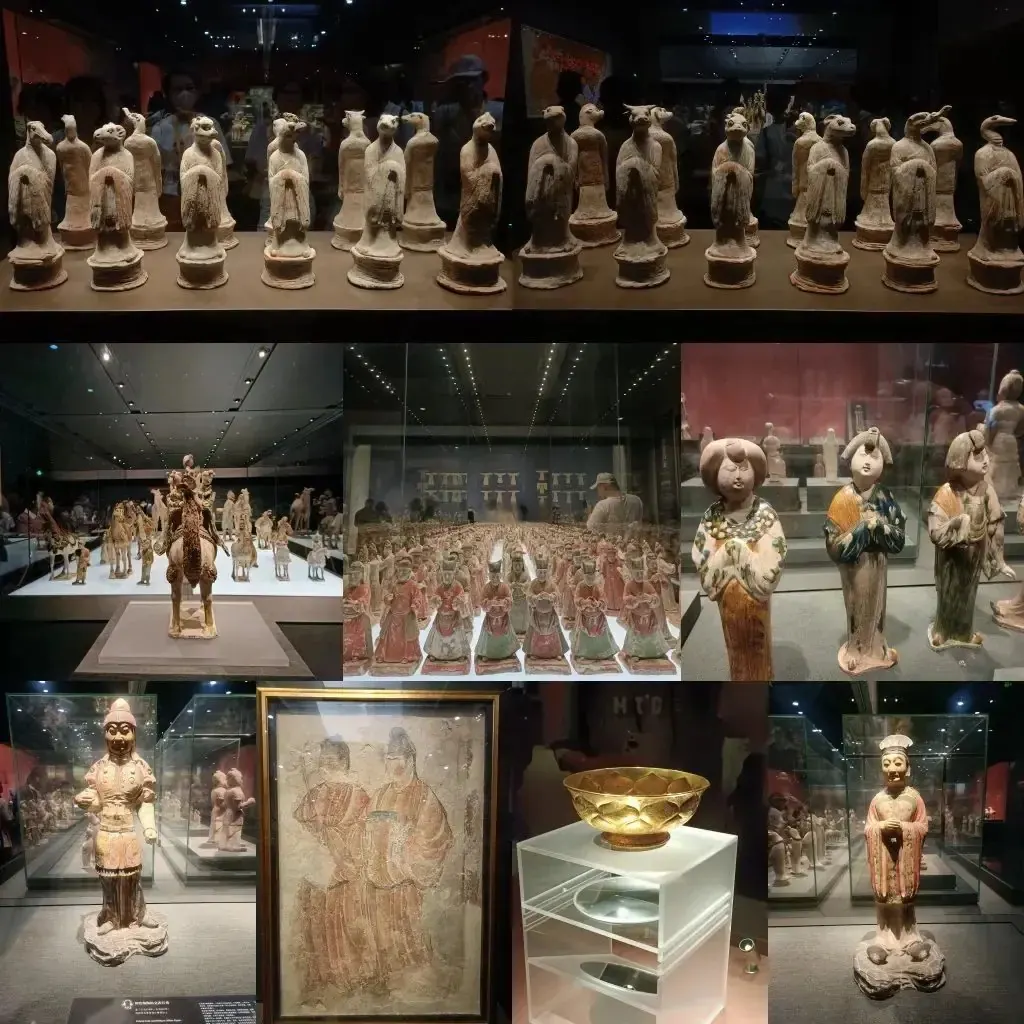
Shaanxi History Museum (陕西历史博物馆)
🎫 Free basic exhibition, but slots must be reserved 3+ days ahead — they go fast.
Arguably the best museum in China outside of Beijing. The collection covers the Zhou, Qin, Han, and Tang dynasties — all of which had their capital in or near Xi'an. The Tang dynasty galleries are the draw: intricately worked gold and silver cups, mirrors, and ornaments that still look like they left the imperial workshop yesterday. The gold-foil dancing horse cup (鎏金舞马衔杯纹银壶) is the single artifact everyone photographs — a horse mid-rear, holding a cup in its mouth, commemorating an actual Tang-dynasty banquet stunt.
Worth a guide? Absolutely. The collection is staggeringly deep, and without context you are walking past artifacts that changed how historians understand Chinese civilization — the Tang murals, the silk fragments, the burial goods that rewrote the timeline of several dynasties. Audio guides cost ¥30 and are worth it.
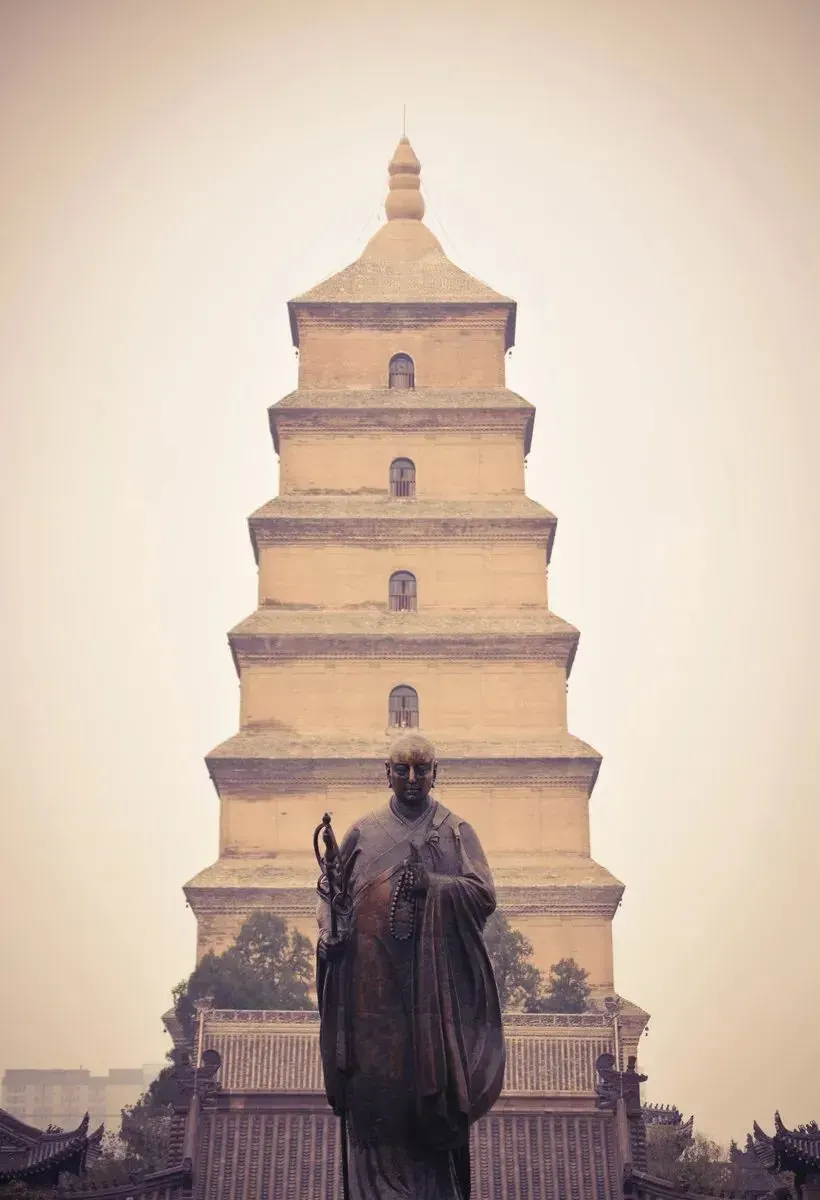
Big Wild Goose Pagoda (大雁塔)
🎫 Book online to secure your entry window — the pagoda climb is a separate ticket.
🛒 Book your Big Wild Goose Pagoda visit →
A seven-story Tang dynasty pagoda built in 652 AD to hold the Buddhist scriptures that the monk Xuanzang carried back from India — the same journey that inspired the novel Journey to the West. Climb to the top for the view over the old city; the square in front hosts a massive fountain show at night (9 pm and 10 pm) — touristy, but the water jets synced to music against the lit pagoda is genuinely impressive for 15 minutes.
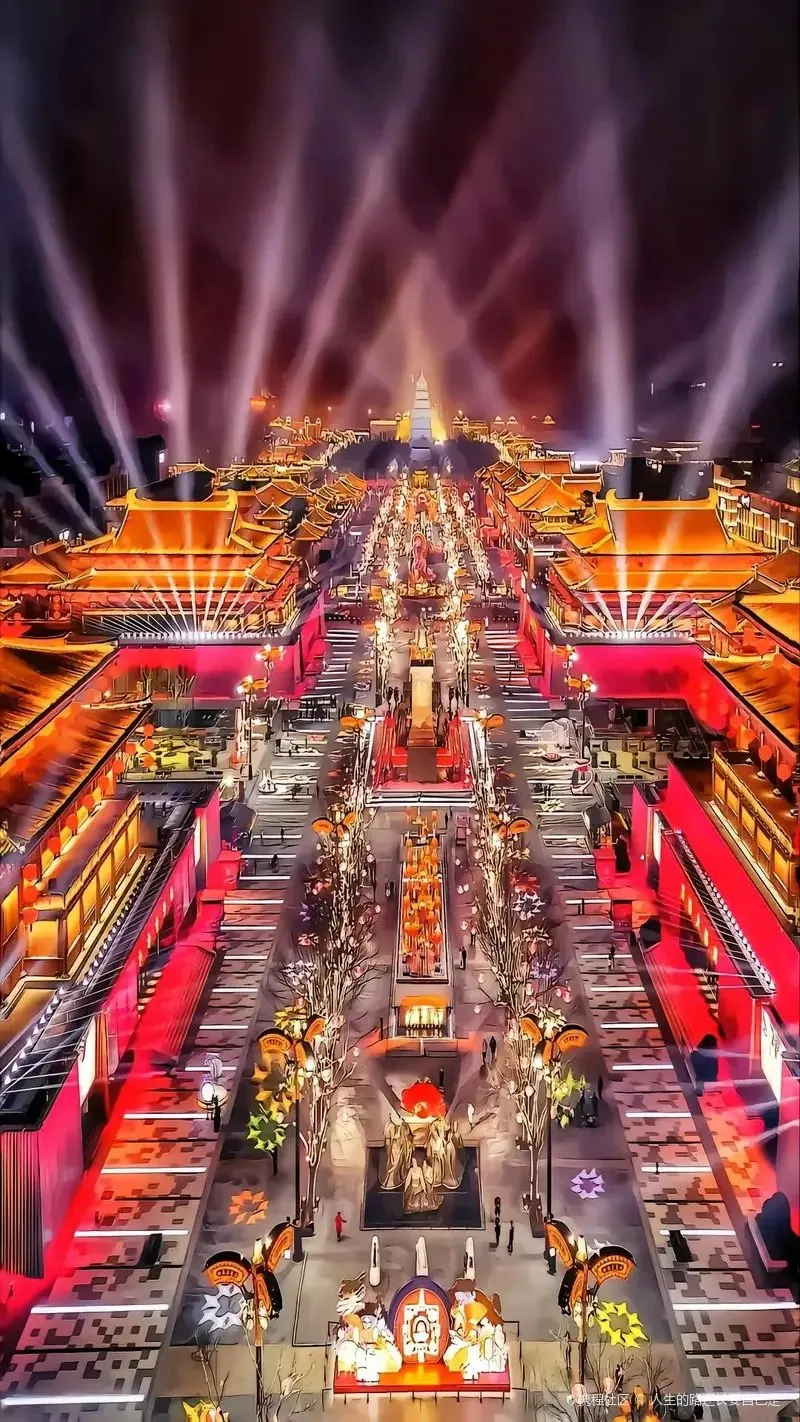
Datang Everbright City (大唐不夜城)
A 2.1 km pedestrian boulevard lined with Tang dynasty-style architecture, giant LED screens, street performers, and costumed characters — Xi'an's answer to a living museum. Tang dynasty "officials" in full court dress wander the street, calligraphers paint on the pavement, and after dark the whole place lights up in gold and red. It sits right next to the Big Wild Goose Pagoda, so you can do both in one evening. The government has spent heavily to make this a showcase of Chinese culture, and while it feels touristy, it is also genuinely impressive — especially the moment at 9 pm when the pagoda lights up behind the crowd.
Muslim Quarter / Huimin Street (回民街)
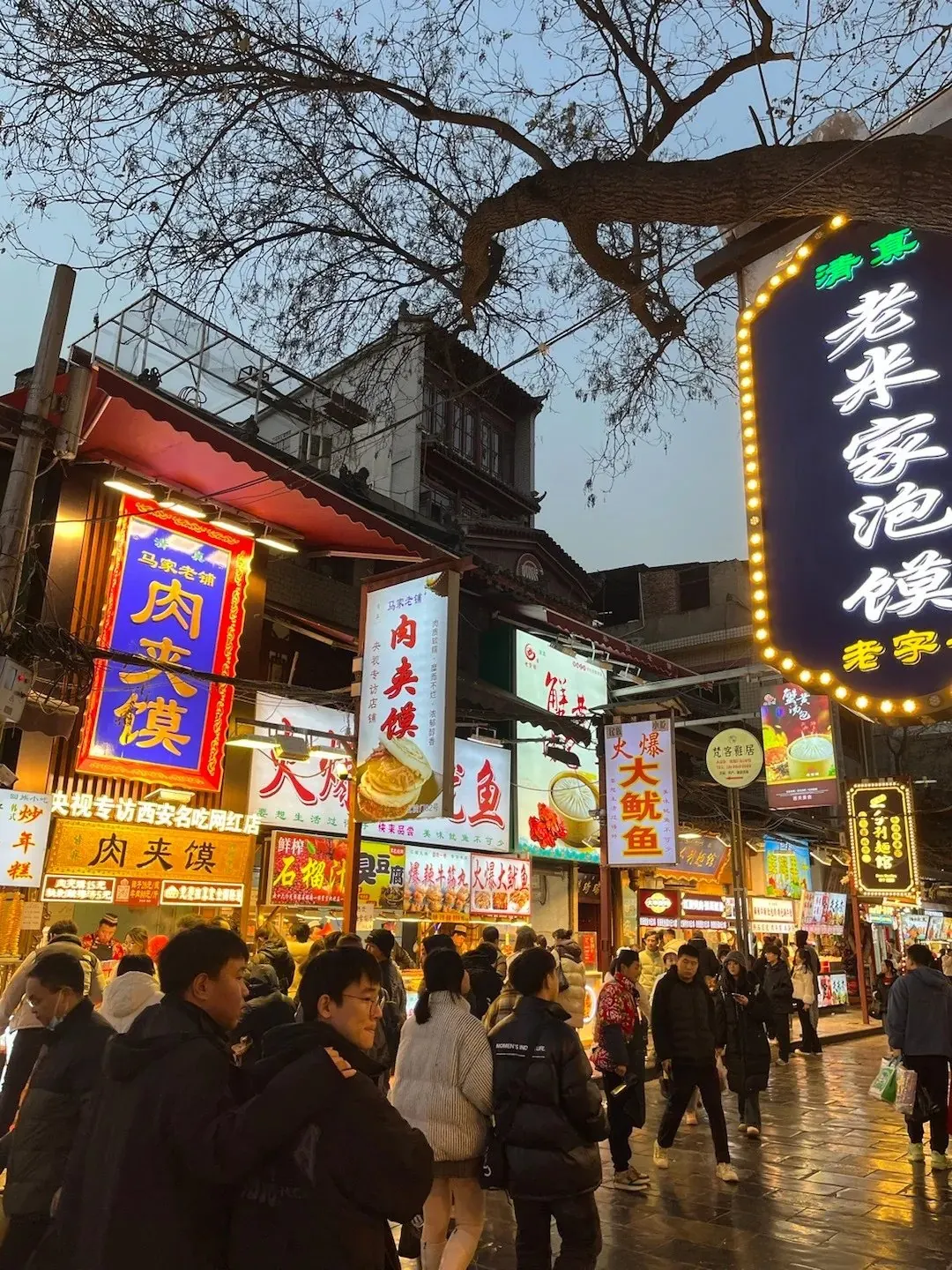
A maze of food stalls and shops that has been a Silk Road trading hub for a thousand years — the air smells of lamb skewers sizzling over charcoal, cumin, and the sweet steam of persimmon cakes. Push past the crowded main street and duck into the side alleys: the best food is always on the smaller streets, where the shopkeepers have been running the same stalls for three generations. The Great Mosque, hidden at the end of one alley, is one of the four ancient mosques; it is a tranquil Ming dynasty complex that blends Chinese courtyard design with Islamic calligraphy — a thousand-year-old bridge between cultures, ¥25 admission.
Huashan Mountain (华山)
🎫 Book online to bundle entry + cable car — prices vary by route, check live rates.
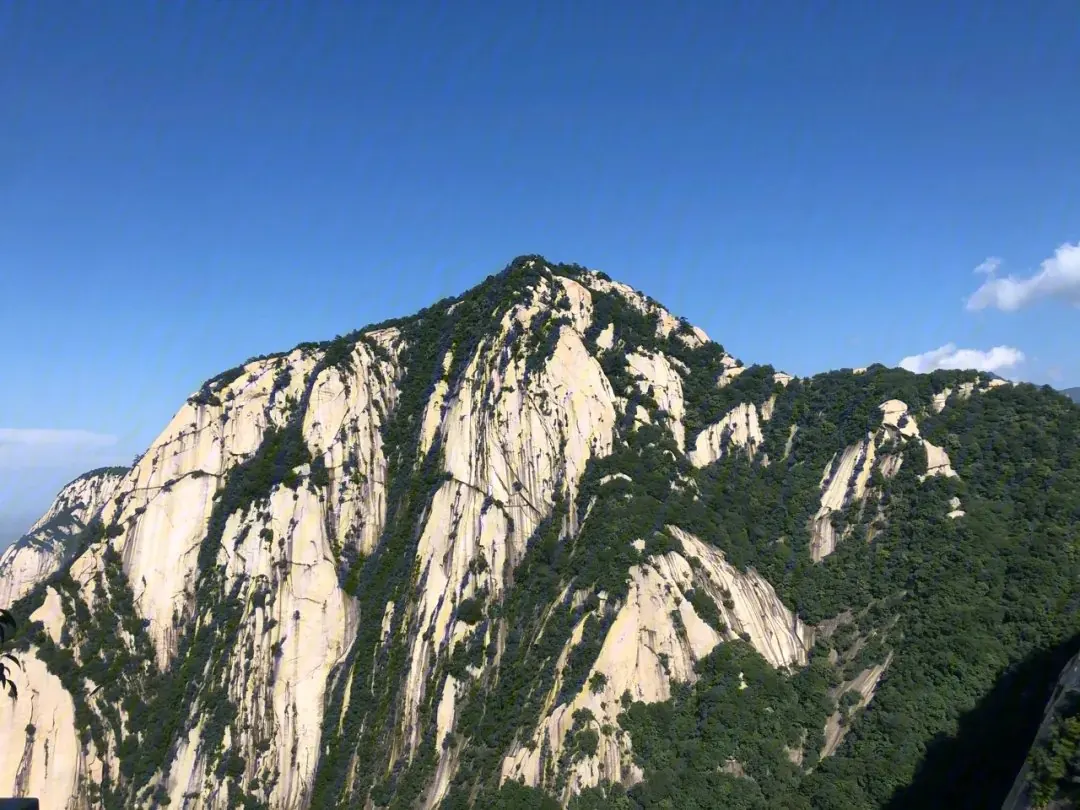
One of China's five sacred mountains, famous for the "plank walk" — a 30-centimeter wooden shelf bolted to a vertical cliff face, with a safety cable and a prayer that the crowds are light. Not for the faint of heart. Budget a full day from Xi'an (about 2 hours by train). The cable car ride itself is the other highlight — you ascend past sheer granite cliffs and pine trees growing out of rock faces, the mountain rising 2,000 meters above the plain.
🚇 Getting Around
- Metro: 8 lines. Cheap (2-6 RMB per ride). Routes 2 and 4 cover most tourist spots.
- Didi: Like Uber. Cheaper than taxis. Set it up before you arrive — see How to Use Didi in China.
- Taxis: Flagfall 8.50 RMB. Please prepare the destination in Chinese in advance.
- Walking: The area inside the city wall is very walkable — you can cover the Muslim Quarter, Bell Tower, and Drum Tower on foot.
🏨 Where to Stay
Inside City Wall (South Gate) — Best for first-time visitors
Walking distance to the City Wall, Muslim Quarter, and Bell Tower. The most practical choice.
Muslim Quarter — Best for food lovers
Chaotic, lively, food paradise. Best for food lovers who want to be in the middle of the action.
Beiyuanmen Area — Near Drum Tower
Central, convenient.
🍜 What to Eat
Xi'an's food scene is built around hand-pulled noodles, lamb, and the dense flatbreads that have fed travelers on the Silk Road for a thousand years.
Roujiamo (肉夹馍)
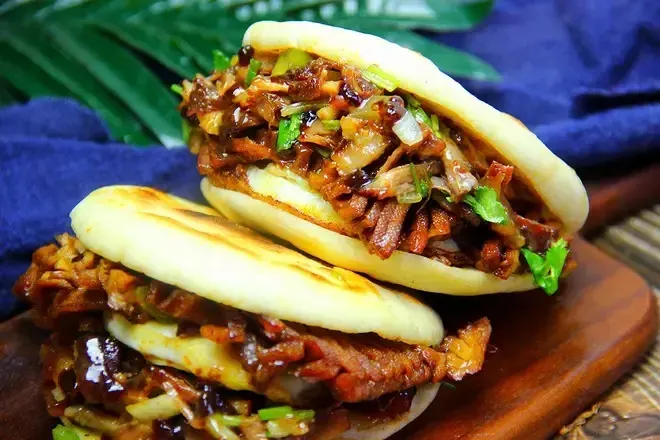
Xi'an's answer to the hamburger — except it predates the Western version by centuries. Braised pork (or lamb, if you ask) is chopped with cilantro and chili, then stuffed into a griddle-toasted flatbread that shatters slightly when you bite it. About ¥10–15.
Biangbiang Noodles (biangbiang面)
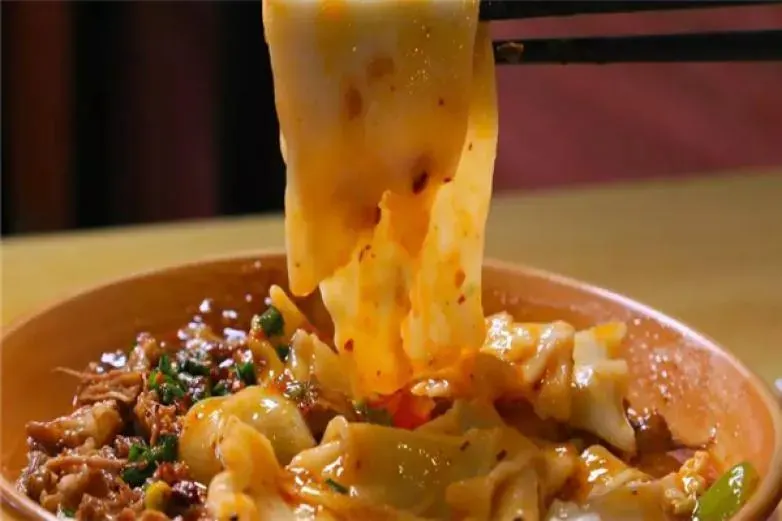
Thick, belt-wide hand-pulled noodles served with chili oil, garlic, soy, and vinegar. The name comes from the sound of the dough slapping the counter — "biang biang," the only character in Chinese with 57 strokes, written on a sign at every shop. About ¥15–20. Order it with a fried egg on top; the locals do.
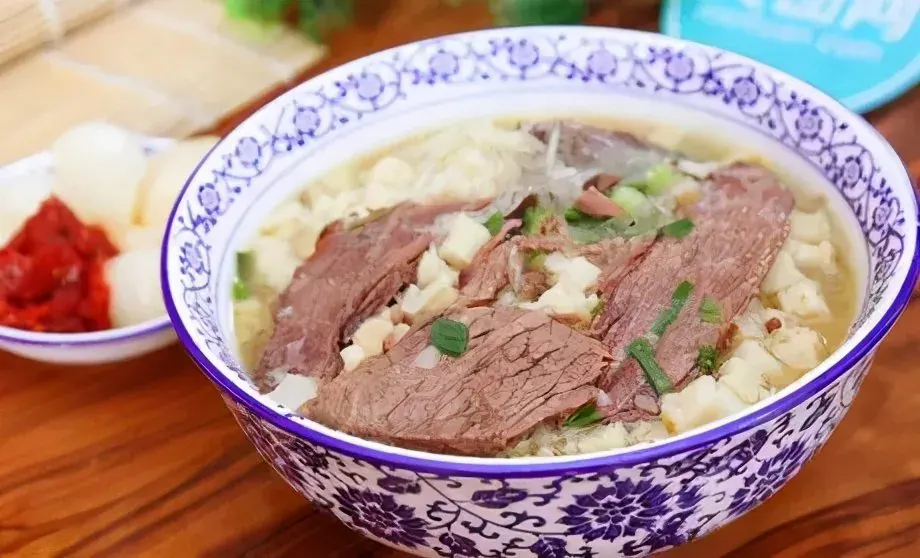
Yangrou Paomo (羊肉泡馍)
Lamb stew with torn wheat flatbread — and the ritual matters. You are given two whole flatbreads and told to tear them into pieces the size of your thumb, no bigger; the kitchen takes your bowl and pours the lamb broth over the bread, simmering it until the pieces are soft on the inside and firm on the outside. The tearing takes 20 minutes; the eating takes 5. About ¥25–35 at the classic shops in the Muslim Quarter.
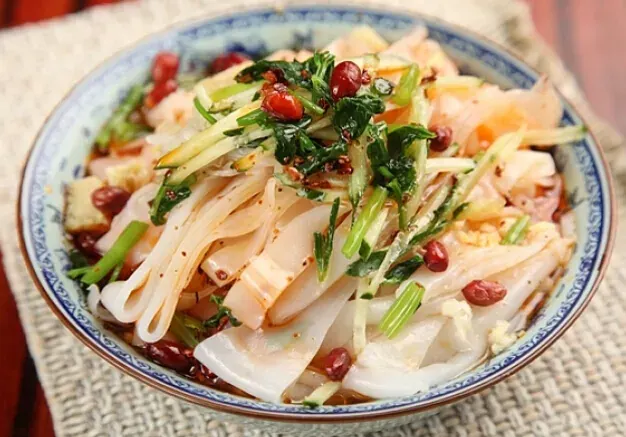
Liangpi (凉皮)
Cold rice-noodle salad with chili oil, vinegar, and bean sprouts — the perfect summer dish, and the hangover cure of choice across Shaanxi. About ¥8–12.
The Muslim Quarter is the best place to try all of these in one evening. Go hungry.
Try to choose only a small portion of each snack or share dishes; otherwise, you will easily get full.
Sources
- Emperor Qinshihuang's Mausoleum Site Museum — bmy.com.cn
- Xi'an City Wall (Shaanxi Daily, state media) — sxdaily.com.cn