🏙️ Shanghai
Shanghai Travel Guide: The Most Foreigner-Friendly City
Shanghai guide — attractions, food, transport, and where to stay in China's most international city.
⚡ Quick Answer
Shanghai is China's most foreigner-friendly city. It has the largest English-speaking population, the most international restaurants, and a skyline that rivals any in the world. From the iconic Bund waterfront and the soaring Shanghai Tower to the historic charm of Yu Garden and the magic of Shanghai Disneyland — there is something for everyone. If you're nervous about the language barrier or culture shock, Shanghai is the gentlest introduction to China.
🌆 Why Visit Shanghai?
Shanghai feels like a city of the future. The Pudong skyline — with the Oriental Pearl Tower and Shanghai Tower piercing the clouds — is the face of modern China. But the old city still has charm: the tree-lined streets of the Wukang Road–Anfu Road area, the art deco buildings along the Bund, and the winding lanes of Old Town. Add to that one of the most unique Disney parks in the world and a food scene that ranges from Michelin-starred fine dining to dollar-a-plate street stalls, and you have a city that truly has it all.
📅 How Many Days Do You Need?
- 3 days (standard): The Bund, Old Town, the Wukang Road–Anfu Road area, and a skyline visit to Shanghai Tower or Oriental Pearl
- 4–5 days (comfortable): Add Shanghai Disneyland, Zhujiajiao Water Town, or a day trip to nearby Suzhou
- 5+ days (deep dive): Explore the city's museums, art galleries, and nightlife neighborhoods in depth
🎯 Top Attractions
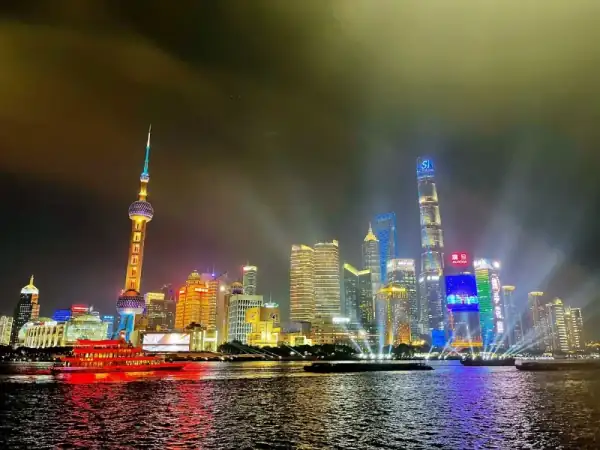
The Bund (外滩)
Shanghai's iconic waterfront promenade is a must-see for every visitor. On one side, a row of 26 magnificent colonial-era buildings — the "Exposition of World Architecture" — showcasing Gothic, Baroque, Romanesque, and Art Deco styles. On the other, the dazzling Pudong skyline with the Oriental Pearl Tower and Shanghai Tower lighting up the night. The Bund is best visited at sunset, when the golden light hits the old buildings and the city lights gradually flicker on across the river. A leisurely walk along the 1.5-kilometer promenade is the perfect way to start your Shanghai experience.
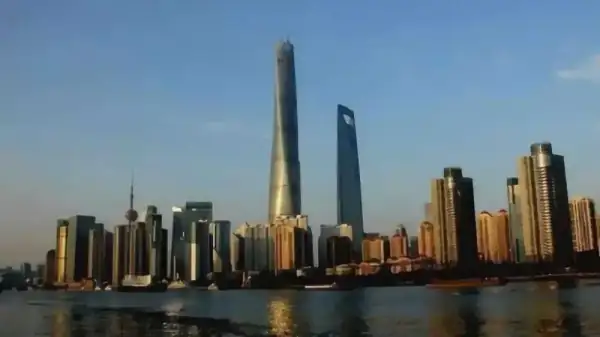
Shanghai Tower (上海中心大厦)
🎫 Advance booking online recommended — reserve your time slot to skip the line.
🛒 Book your Shanghai Tower view →
China's tallest building and the third tallest in the world at 632 meters. The observation deck at 546 meters offers a jaw-dropping 360-degree view over all of Shanghai — on a clear day you can see the Huangpu River snaking all the way to the sea. The elevator ride is an experience in itself: it reaches a speed of 20 meters per second (72 km/h) and you'll feel your ears pop as you rocket up. Inside, the tower also features the world's highest hotel (J-Hotel) and a stunning atrium that spirals all the way up the building. Book tickets online in advance to avoid long queues.
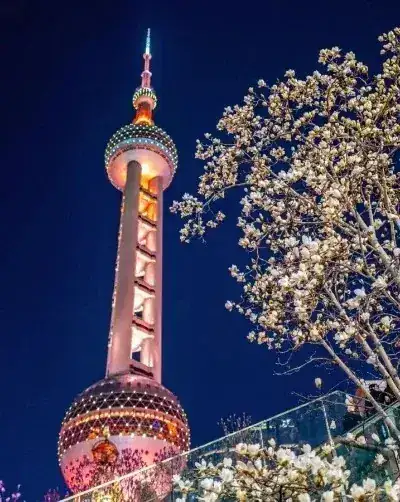
Oriental Pearl Tower (东方明珠塔)
🎫 Book online to skip the ticket queue — the two-sphere combo includes the glass skywalk.
🛒 Book your Oriental Pearl Tower visit →
No skyline is more recognizable than the Oriental Pearl Tower. Though it is no longer Shanghai's tallest structure, the Oriental Pearl remains the city's most iconic symbol, appearing on everything from postcards to T-shirts. The tower features 11 spheres of varying sizes connected by three columns. The "Space Module" at 351 meters offers a glass-floor observation deck where you can look straight down at the city below. At the base is the Shanghai History Museum and a shopping complex. For the best value, buy a combo ticket that includes the observation deck, the glass-bottom walk, and the history museum. Visit at sunset for the most dramatic views.
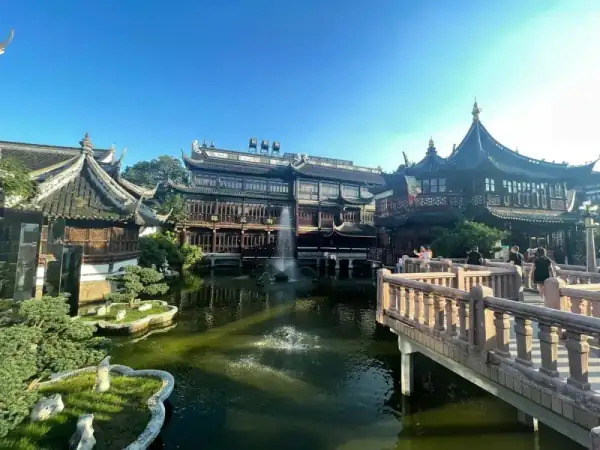
Yu Garden (豫园)
🎫 Book online to skip the queue — closed Mondays.
A 400-year-old Ming Dynasty garden hidden in the heart of Shanghai's Old Town. Built in 1559 by a government official as a private garden for his parents, Yu Garden is a masterpiece of classical Chinese landscape design — complete with pavilions, rockeries, ponds, and zigzag bridges that are meant to confuse evil spirits (who can only travel in straight lines). The Exquisite Jade Rock (玉玲珑) is the garden's centerpiece: a 3.3-meter porous stone that is over 1,000 years old. Surrounding the garden is the Yuyuan Bazaar, a lively market area packed with snack stalls, souvenir shops, and the famous Nanxiang Steamed Bun Restaurant where xiaolongbao (soup dumplings) were invented. Allow 2–3 hours to explore the garden and the bazaar.
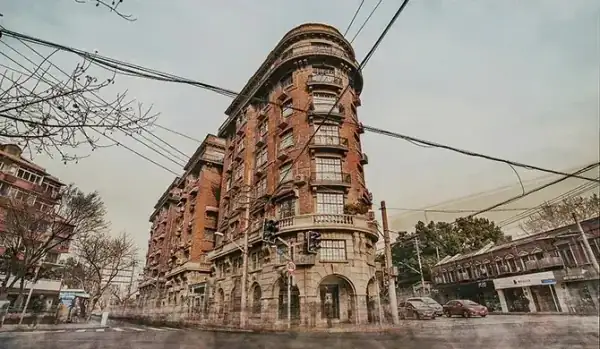
Wukang Road & Anfu Road (武康路/安福路) — Wukang Road–Anfu Road Area
This area is officially recognized as the Wukang Road–Anfu Road Historical & Cultural District. This is the trendiest part of Shanghai: tree-lined streets, art deco apartment buildings from the 1920s, and hundreds of independent boutiques, cafés, and restaurants. The iconic Wukang Mansion (武康大楼), a striking ship-like building at the junction of Wukang and Huaihai Roads, is the most photographed spot in the district. Wukang Road is quieter and more residential — perfect for a relaxed stroll. Anfu Road is livelier, packed with craft coffee shops, designer stores, and some of the best brunch spots in the city. Spend a morning or afternoon café-hopping and people-watching; this is Shanghai at its most cosmopolitan.
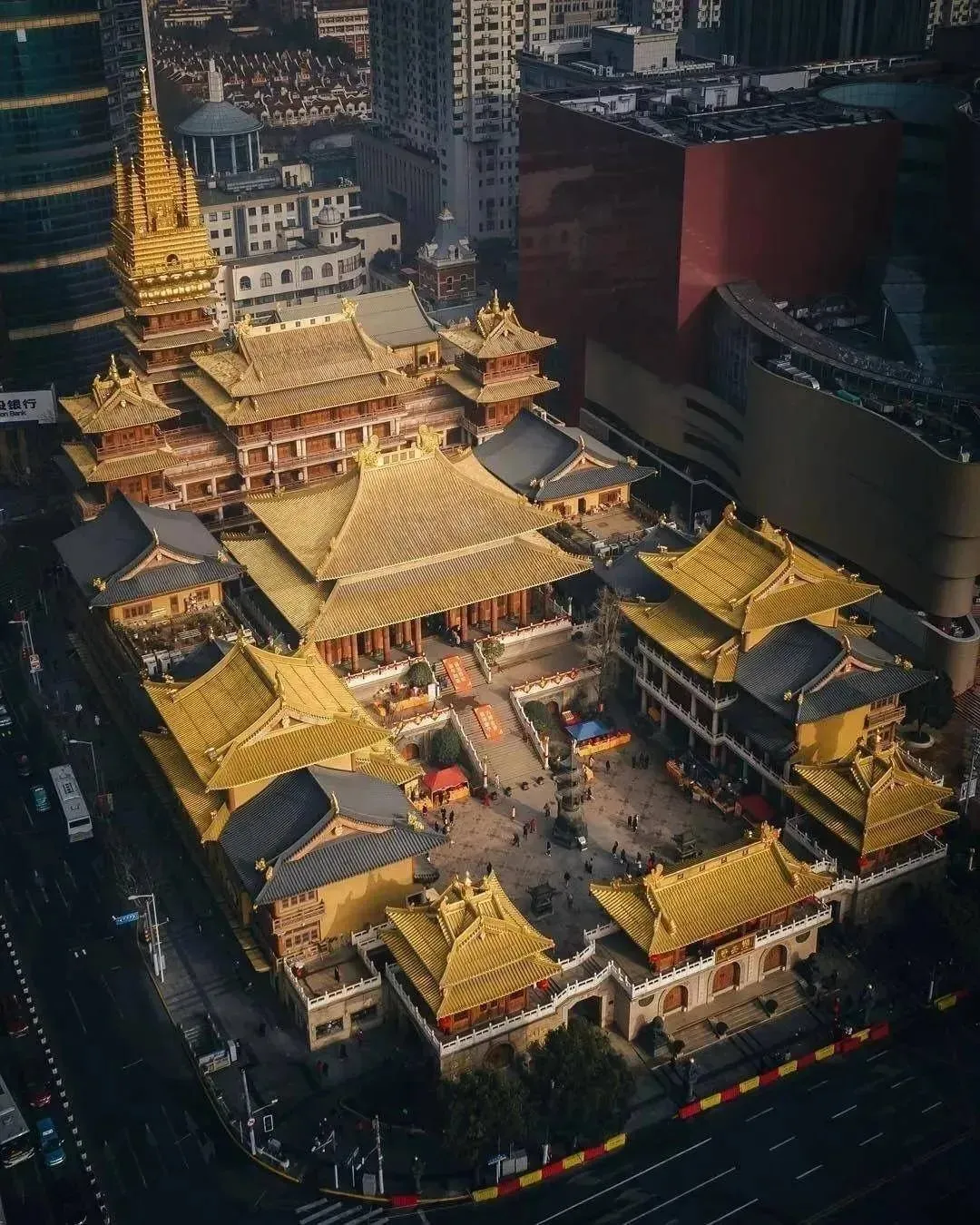
Jing'an Temple (静安寺)
🎫 Entry tickets can be purchased at the gate via WeChat QR code — no advance booking needed
One of China's oldest Buddhist temples, with roots stretching back to 247 AD. The current buildings are a 2010 reconstruction in traditional Song dynasty style, but the temple's name and site have endured for over 1,700 years. The most striking sight is the main hall's golden roof — it gleams in the afternoon sun and looks almost surreal against the glass towers of Jing'an District. Inside, a 3.8-meter jade Buddha sits in the center hall, carved from a single block of Burmese jade. The temple is surrounded by one of Shanghai's busiest shopping districts, so the contrast between the incense-filled courtyard and the luxury malls next door is jarring in the best way. Entry tickets are bought at the gate via WeChat QR code. Go on a weekday morning for the quietest experience.
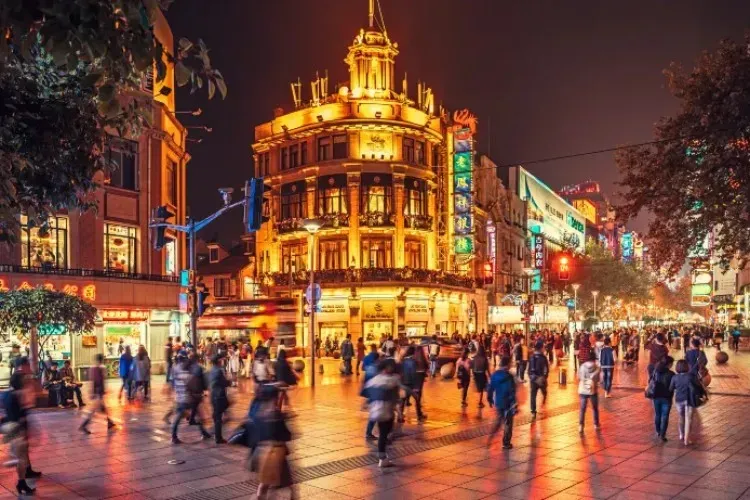
Nanjing Road (南京路)
China's most famous shopping street, and the stretch that connects the Bund to People's Square. The pedestrian section — about 1.2 kilometers of walking-only pavement — is a spectacle of neon, department stores, and street performers that feels closer to Times Square than anything else in China. The historic wing (East Nanjing Road) still has the 1930s art deco façades of the old Shanghai department stores; the modern wing (West Nanjing Road) is where you'll find the luxury flagship stores. You don't need to buy anything. The point is to walk it at night, when the signs flicker on and the crowd flows in both directions like a living river. If you do want to shop, the First Foodhall at the East end has been selling Shanghai snacks since 1934.
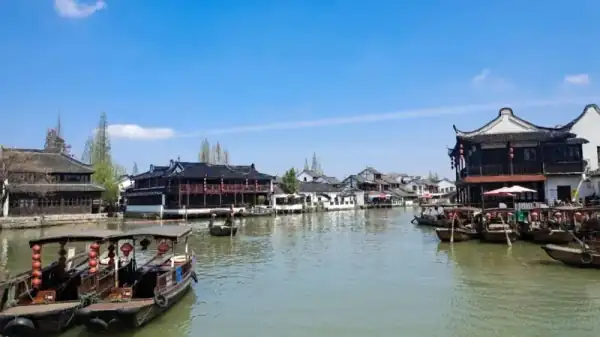
Zhujiajiao Water Town (朱家角)
🎫 Town entry is free — the combo covers the 3 paid sights and is best booked online.
🛒 Book your Zhujiajiao combo →
An ancient water town 45 minutes from downtown Shanghai by subway — and the town itself is free to enter. Zhujiajiao (朱家角) spans 1,700 years of history, with canals lined by willow trees and 36 stone bridges, the most famous being Fangsheng Bridge (放生桥), built in 1571. A wooden gondola ride through the canals is cheap and is the best way to see the town. Three small museums inside (such as Kezhi Garden, 课植园) charge separate entry tickets — buy them at the gate only if you're genuinely interested. A fair word of advice: if you have time for a classic water-town day trip, Suzhou's Tongli or nearby Zhouzhuang are the stronger picks; treat Zhujiajiao as the convenient fallback when you're short on time. Half a day is enough.
Shanghai Disneyland (上海迪士尼乐园)
🎫 Tickets sell out fast on holidays — book online ahead to skip the queue.
🛒 Book your Shanghai Disneyland tickets →
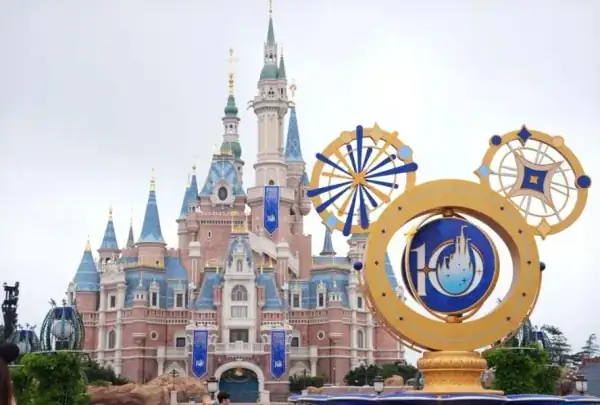
Shanghai Disneyland is the most unique Disney resort in the world. Opened in 2016, it features the Enchanted Storybook Castle — the largest Disney castle ever built at 60 meters tall. Its signature attraction, TRON Lightcycle Power Run, is widely considered one of the best thrill rides at any Disney park. The park also offers exclusive attractions like Pirates of the Caribbean: Battle for the Sunken Treasure and authentic Chinese cuisine that you won't find at any other Disney resort. The park is about 40 minutes from downtown Shanghai by subway (Line 11, direct to the gate).
🚇 Getting Around
- Subway: Shanghai has the longest metro system in the world (19 lines, 800+ km). Everything is labeled in English. Check the Metro & Bus Guide for Major Chinese Cities for route tips.
- Didi: Works perfectly. Use it for short trips or when the subway doesn't reach. Get setup tips in How to Use Didi in China as a Foreigner.
- Maglev (磁悬浮): The world's fastest commercial train, connecting Pudong Airport to downtown (7 minutes, 430 km/h). Worth doing for the experience alone.
- Biking: Shanghai is flat and bike-friendly. Shared bikes (Hellobike, Meituan) are everywhere in the city center — perfect for exploring the Wukang Road and Anfu Road area.
🏨 Where to Stay
The Bund / Lujiazui (外滩/陆家嘴) — Best for first-time visitors
Iconic skyline views, close to major attractions, plenty of luxury hotels. Pricier but worth the splurge for the experience.
Wukang Road Area / 武康路 — Best for foodies and culture lovers
The trendiest area with great restaurants, bars, and boutiques. Quiet streets shaded by plane trees, perfect for morning walks. This area has been a cultural hub of Shanghai for over a century.
Jing'an (静安) — Best for shopping and nightlife
A vibrant commercial district with excellent metro connections. Close to Nanjing Road and Jing'an Temple.
🍜 What to Eat
Shanghai's food scene is legendary. Here are the dishes you absolutely must try.
Xiaolongbao (小笼包)
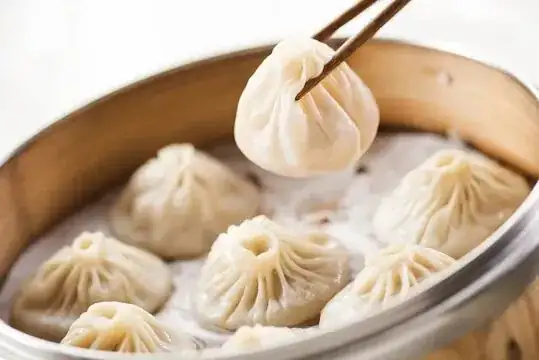
Delicate dumplings wrapped in paper-thin, pleated dough, filled with minced pork and a jellied pork stock that melts into a silky, intensely savory broth when steamed. To eat: nibble a small hole in the side, blow to cool the scalding liquid inside, then slurp the soup before dipping the whole dumpling in black vinegar with fine ginger shreds. The best ones have at least 18 pleats and a thin, translucent wrapper that doesn't tear. You'll find them in most dim sum houses around the Old City and especially near Yu Garden — follow the steam.
Shengjianbao (生煎包)
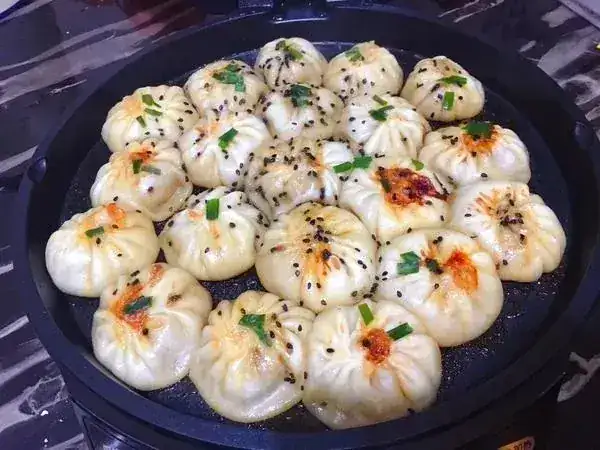
Yeasted buns fried bottom-up in a wide iron pan until the base turns into a thick, crunchy golden crust while the top stays soft and pillowy. The pork filling inside is seasoned with ginger and soy, releasing a hot, peppery soup with every bite they won't let you forget. Eat them fresh off the pan — they're usually sold in batches of four in a paper box, and they stay volcanic for minutes. Look for long queues outside small storefronts in the Old City and along Food Streets; that queue is your guarantee.
Red Braised Pork — Hong Shao Rou (红烧肉)
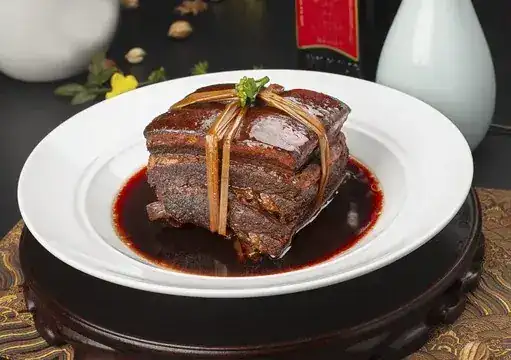
Thick slabs of pork belly with alternating ribbons of lean meat and translucent fat, braised low and slow in dark soy sauce, rock sugar, and Shaoxing wine until the fat turns gelatinous and the sauce reduces to a glossy, almost sticky glaze. Each cube is simultaneously tender and unctuous, with a complex sweetness that balances the deep savory punch of the soy. Served alongside braised eggs and bamboo shoots, it demands a bowl of plain steamed rice to soak up every last drop of the dark caramel sauce. Found on the menu at nearly every Shanghainese home-style restaurant, from the Old City to the Wukang Road–Anfu Road area.
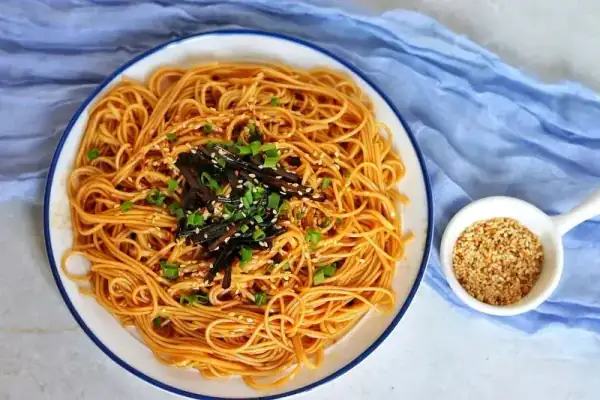
Scallion Oil Noodles — Cong You Ban Mian (葱油拌面)
Deceptively simple: springy wheat noodles tossed in oil that has been slowly infused with charred scallions until fragrant and nutty, then seasoned with soy sauce and a pinch of sugar. Each strand comes out slick and glossy, carrying a subtle smokiness from the scallions and just enough salt to keep you coming back for another bite. Some stalls add dried shrimp or crispy fried shallots on top for extra texture. A fast, cheap lunch staple found at food courts, street-side noodle shops, and hole-in-the-wall canteens all over Shanghai.
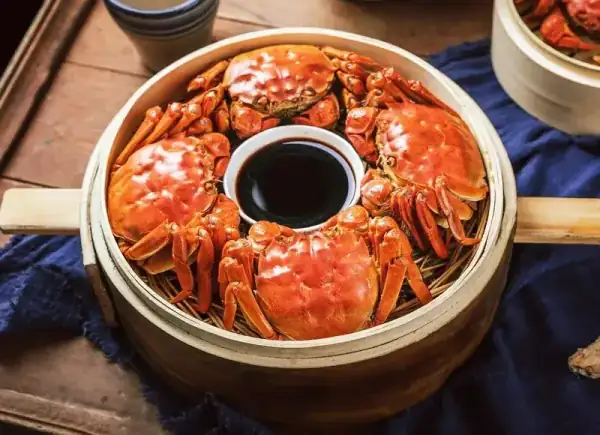
Crab — Da Zha Xie (大闸蟹)
A seasonal obsession that takes over Shanghai every autumn — these freshwater crabs from nearby Yangcheng Lake are prized for their golden, buttery roe (in females) and sweet, delicate meat (in males). The name comes from the thick hair covering their claws, which signals maturity. Cracking one open with the traditional wooden mallet is a ritual: you pick out every sliver of meat, dip it in black vinegar with julienned ginger, and wash it down with warm Shaoxing wine. During crab season (September to December), you'll see them advertised everywhere from high-end restaurants to street stalls across the city.